BASICS
Body suspension: understanding the practice
Body suspension explained: definitions, position names, private gatherings and public shows. Explore the basics of body art with sources.

ALTERED STATES · KNOWLEDGE
Understand the practice. Check the evidence. Keep the context.
Research, history, art and health questions about hook suspension. Read original explainers with references and archival photographs.
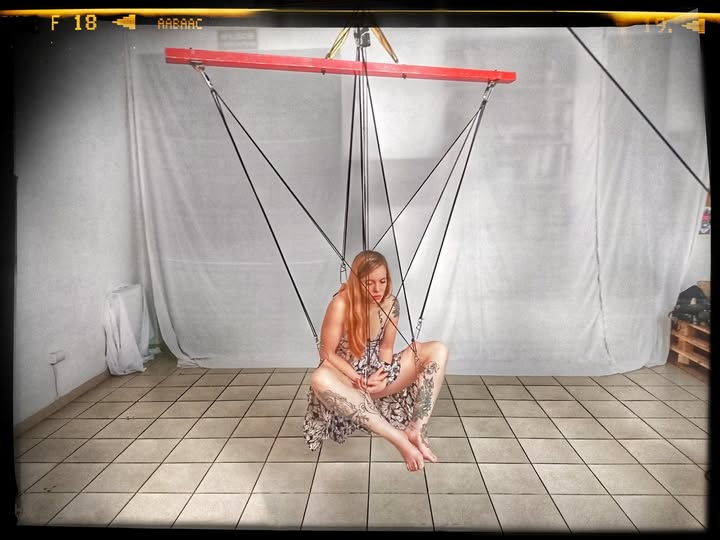
New to the subject? Start with the definition. For claims about pain and wellbeing, read the research guide. History and performance have their own context. Each article identifies its evidence and the limits of that evidence.
BASICS
Body suspension explained: definitions, position names, private gatherings and public shows. Explore the basics of body art with sources.
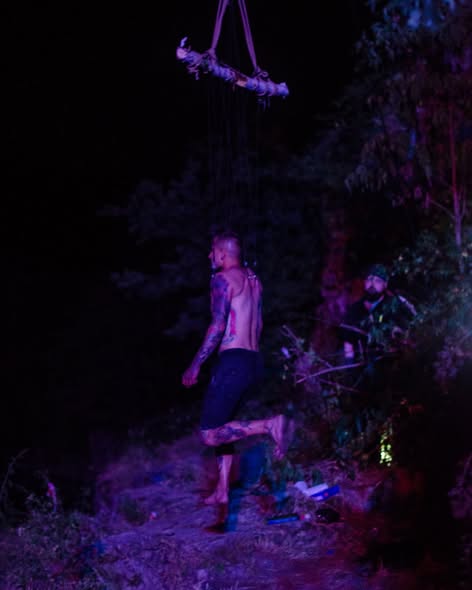
QUESTIONS AND ANSWERS
Pain, duration, private sessions, public performances, changing your decision and questions before a first suspension.
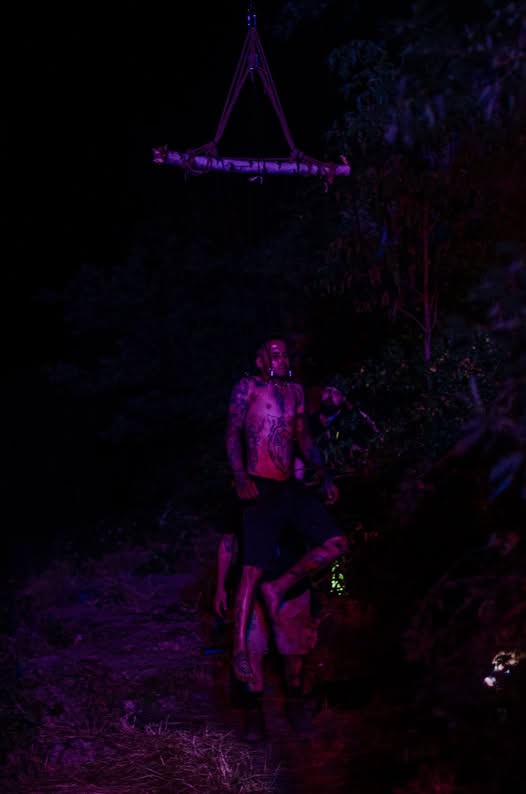
LANGUAGE AND IMAGES
Understand body suspension orientation, the origin of Coma and the limits of Shannon Larratt’s 2013 chart.
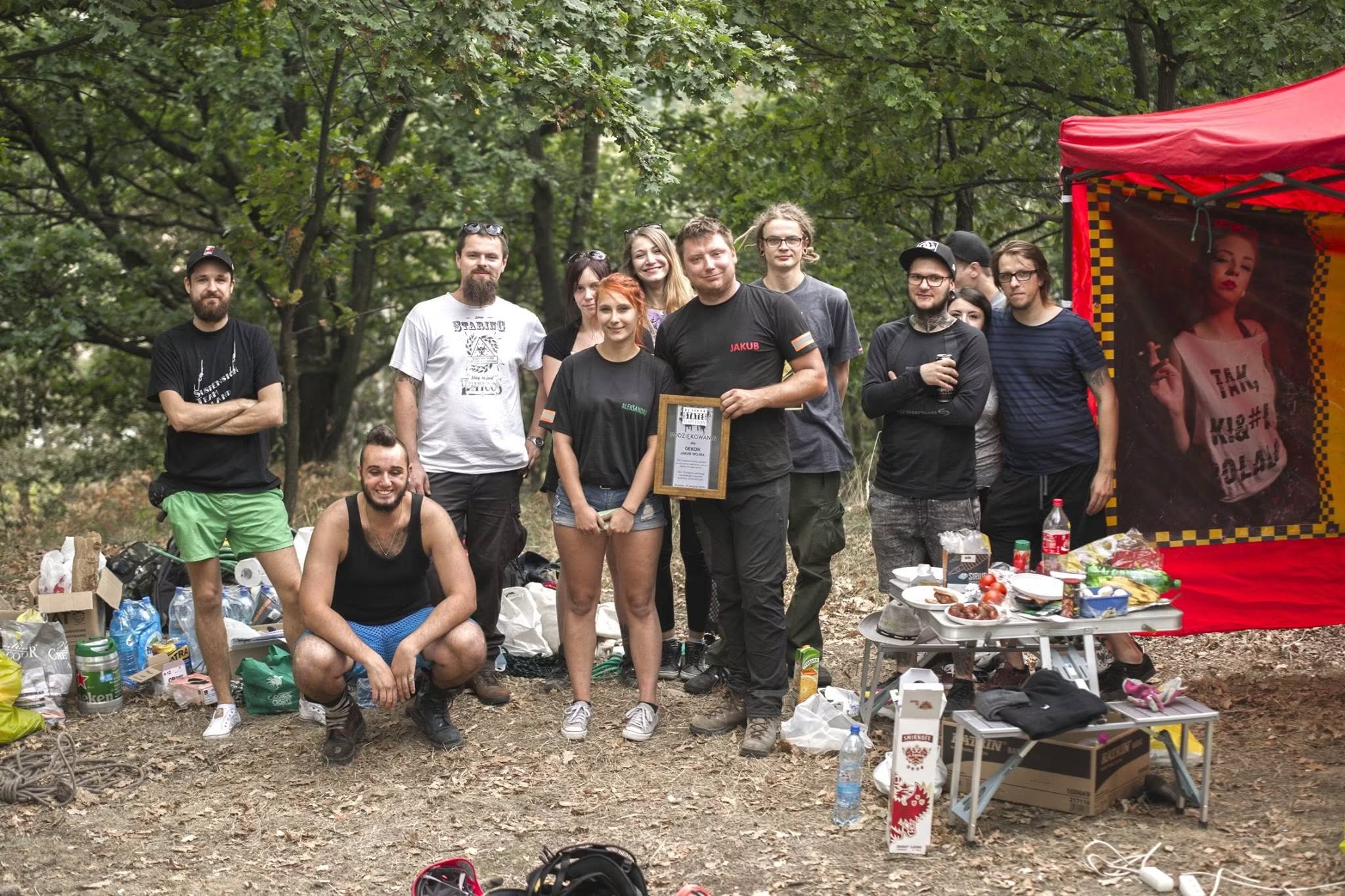
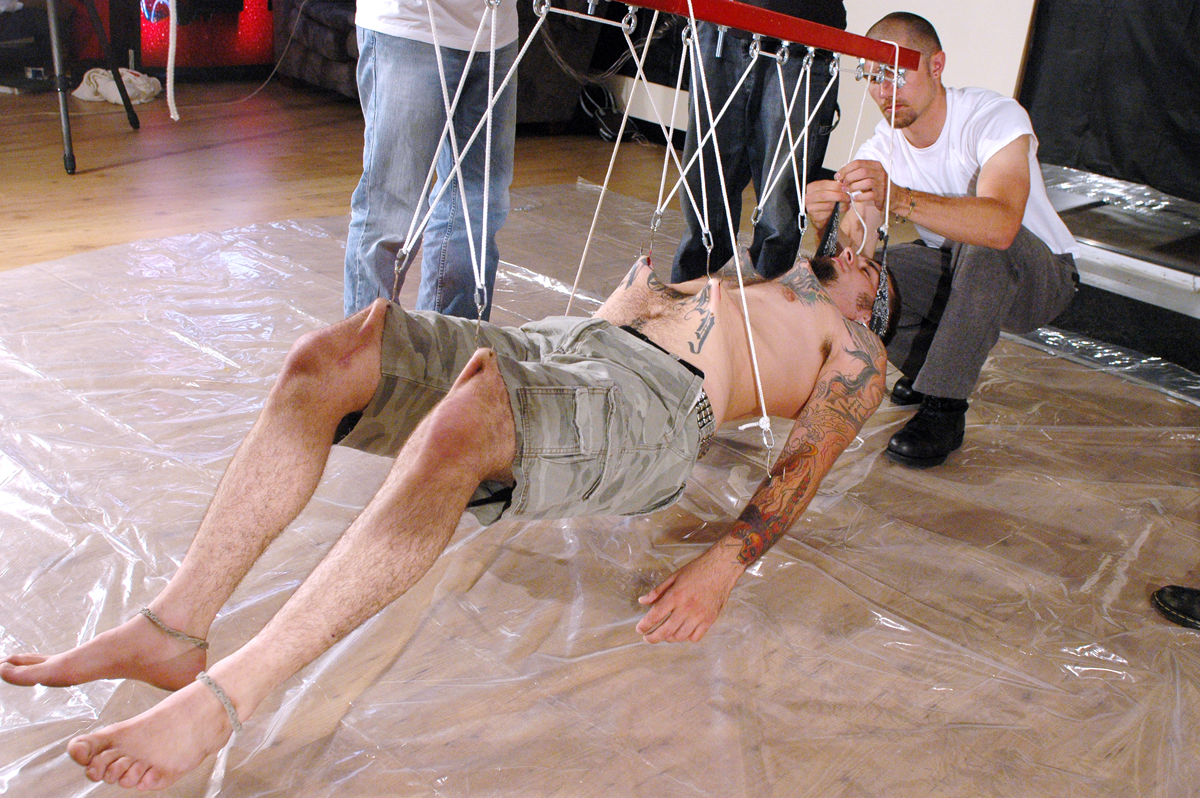
EXPERIENCE
Why do people choose body suspension? Motives, autonomy and personal stories in Kowal and Manfredi’s research and Body Extreme’s accounts.
RESEARCH LIMITS
Body suspension, pain and awareness: participant accounts, cortisol and flow research, and what these findings can and cannot establish.
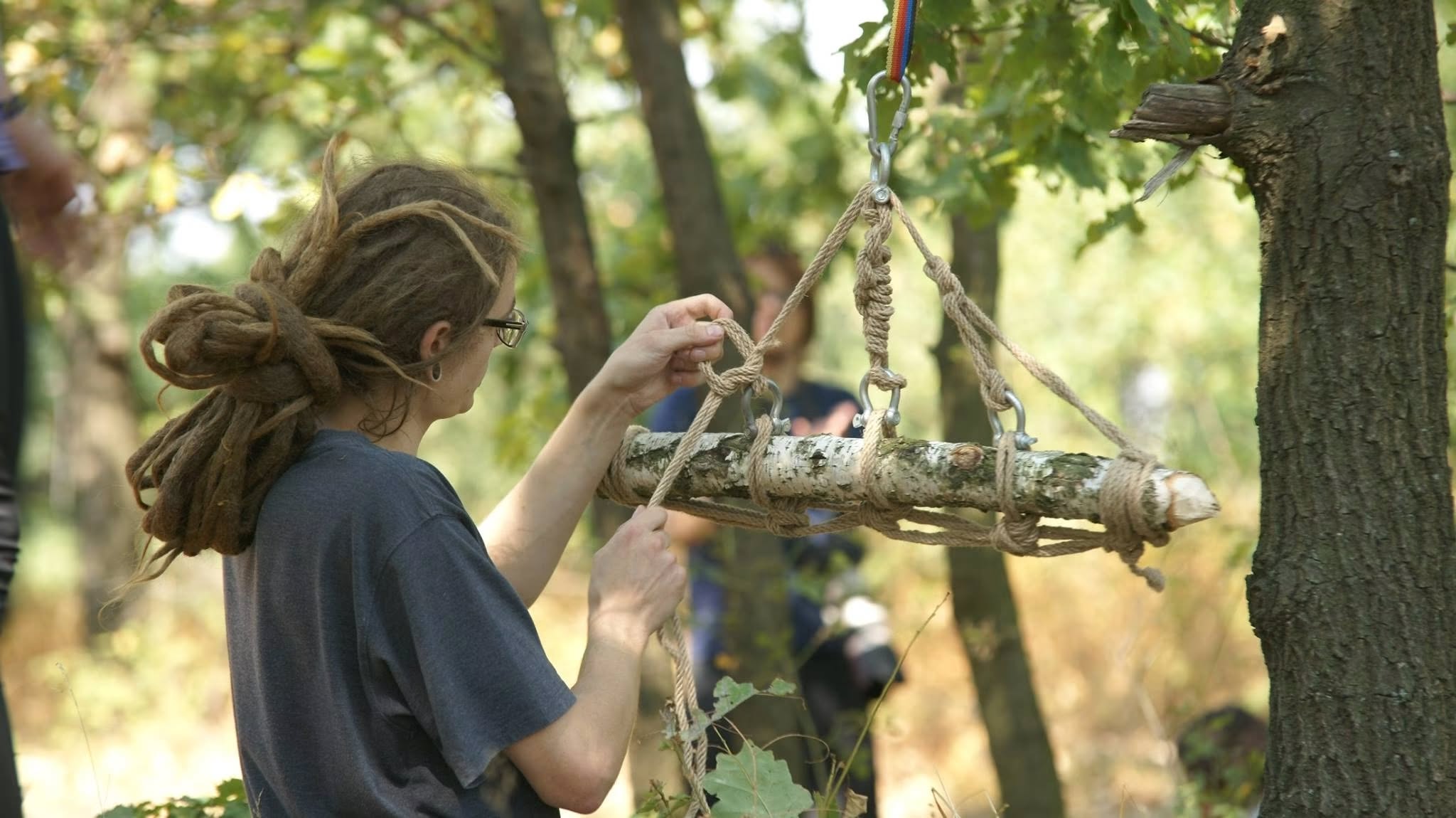
LITERATURE GUIDE
Research on body suspension: Kowal, Manfredi and Lee. Methods, participants, findings, full papers and linked bibliographies.
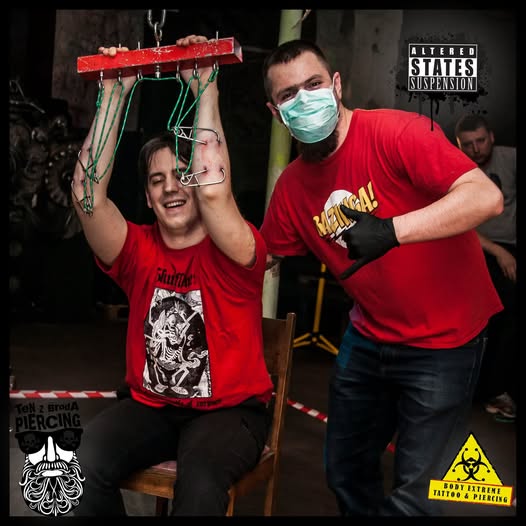
FACTS AND MYTHS
Specific answers about pain, euphoria, hormones, scars, duration and distinctions between suspension, pulling and ritual.
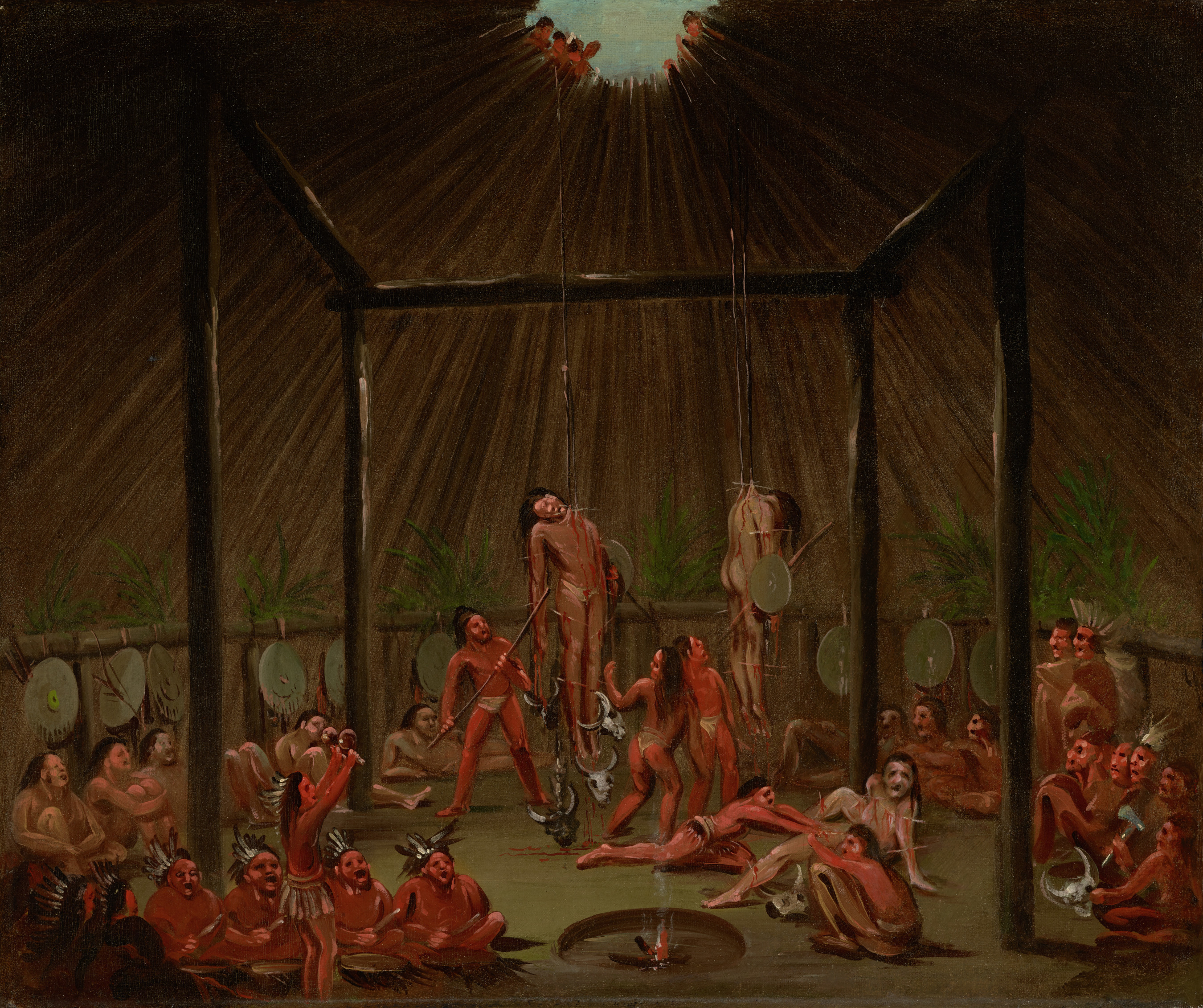
HISTORY AND CULTURE
Body suspension history: Mandan Okipa, Charak Puja and contemporary body art. Cultural context, museum collections and original sources.
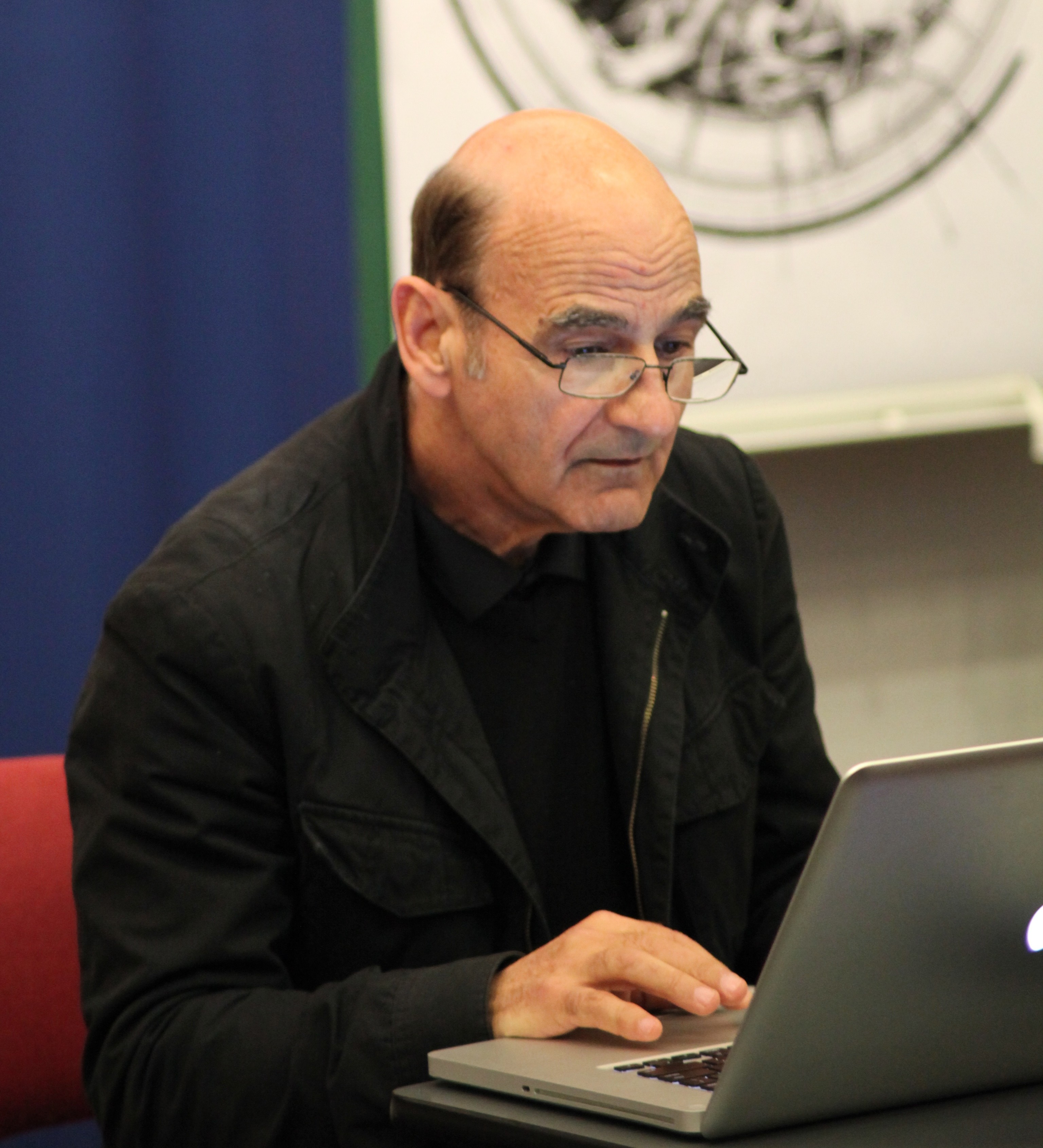
PERFORMANCE ART
Stelarc’s suspension performances in Jogashima, Melbourne and Copenhagen. Body, space, movement and sound in the artist’s documentation.
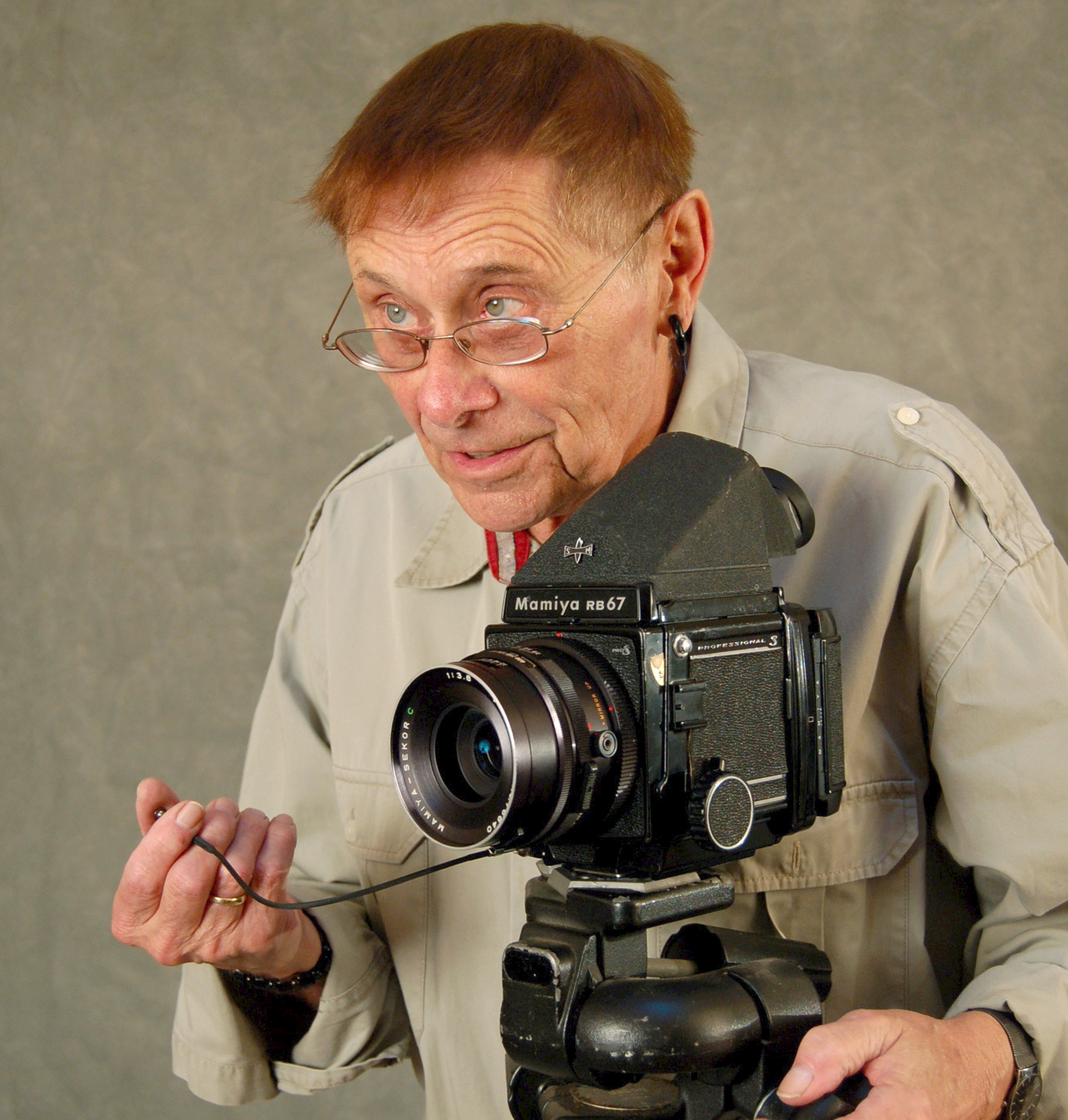
BODY MODIFICATION HISTORY
Fakir Musafar, body play and Modern Primitives: body modification ideas, publications and first-person accounts in their historical context.

POLISH ARCHIVE
Body suspension in Poland: Alex’s birthday gathering in 2008, early contributors, Annual Suspension, SusCon and seminars, with sources.
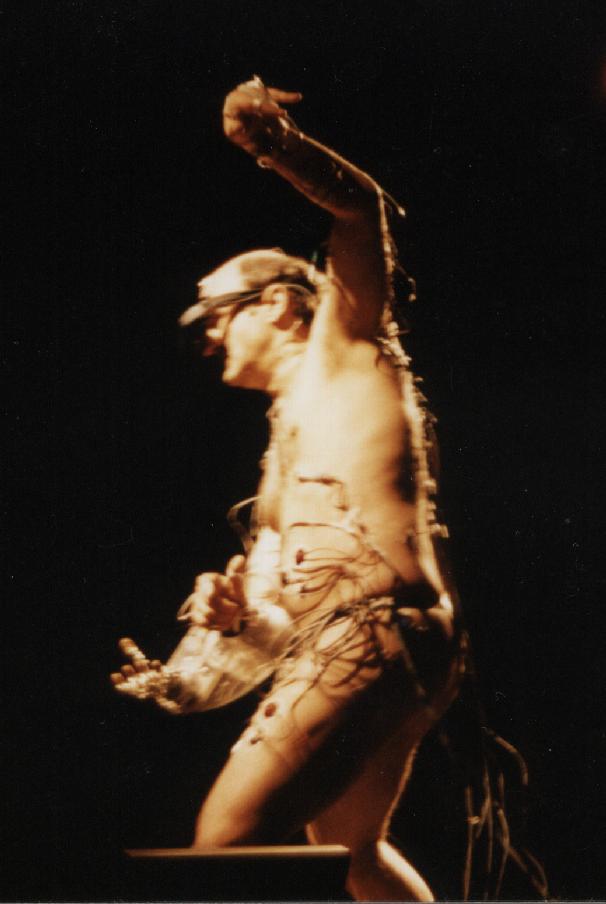
PERFORMANCE AND DOCUMENTATION
Body art and live performance: suspension, dramaturgy, music, light and audiences. Documented examples, Body Art Night and performance records.
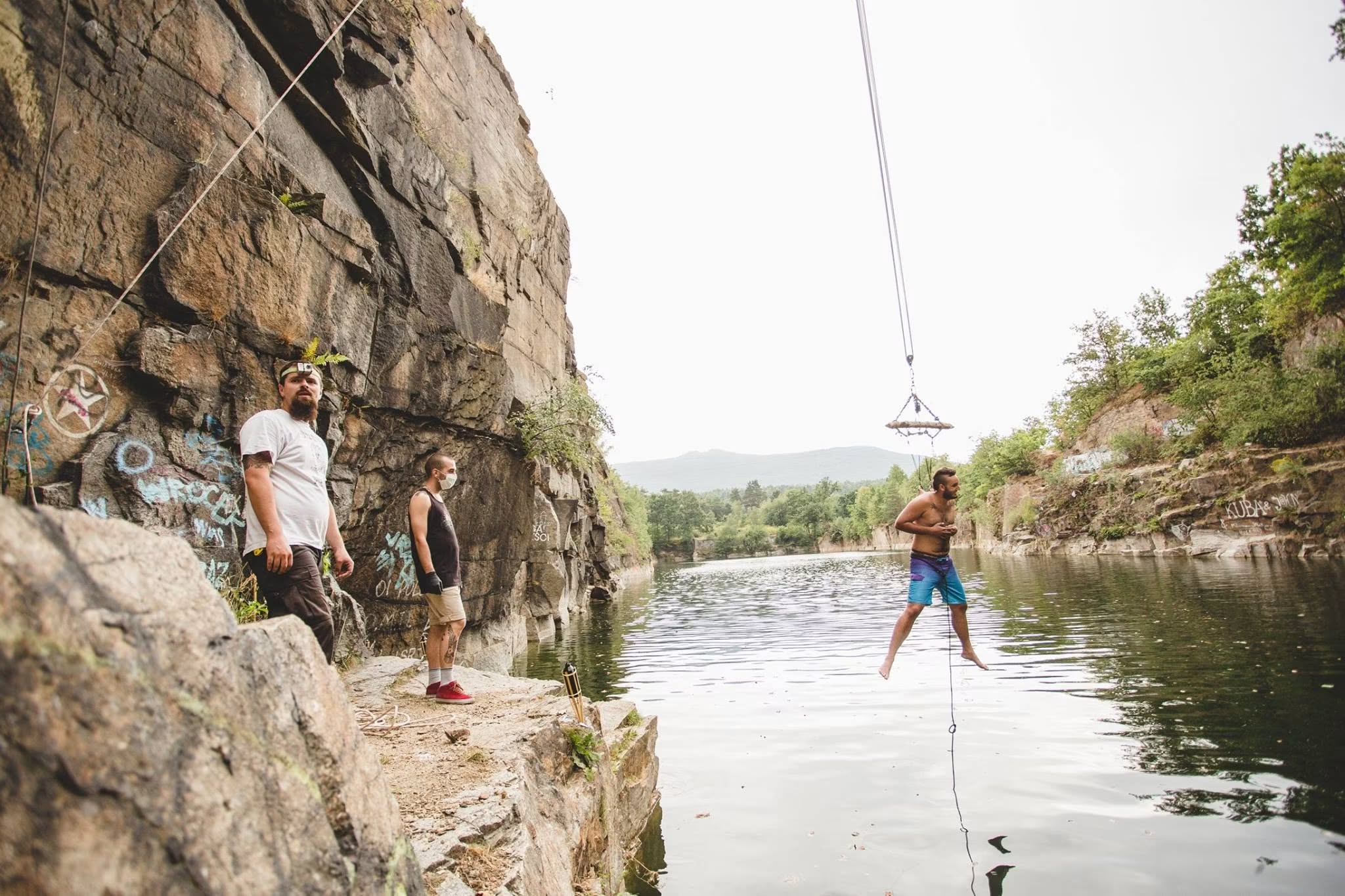
COMMUNITY AND ARCHIVES
Håvve Fjell, Wings of Desire and international suspension communities. Oslo, Berlin, Dallas and Polish gatherings as places of exchange.
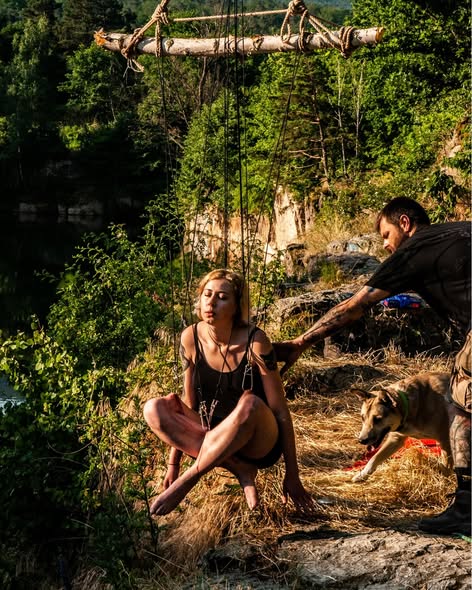
ORGANISATION AND HISTORY
Dallas, Oslo, early International Suspension Alliance meetings and the educators who shaped collaboration: people, dates and sources.
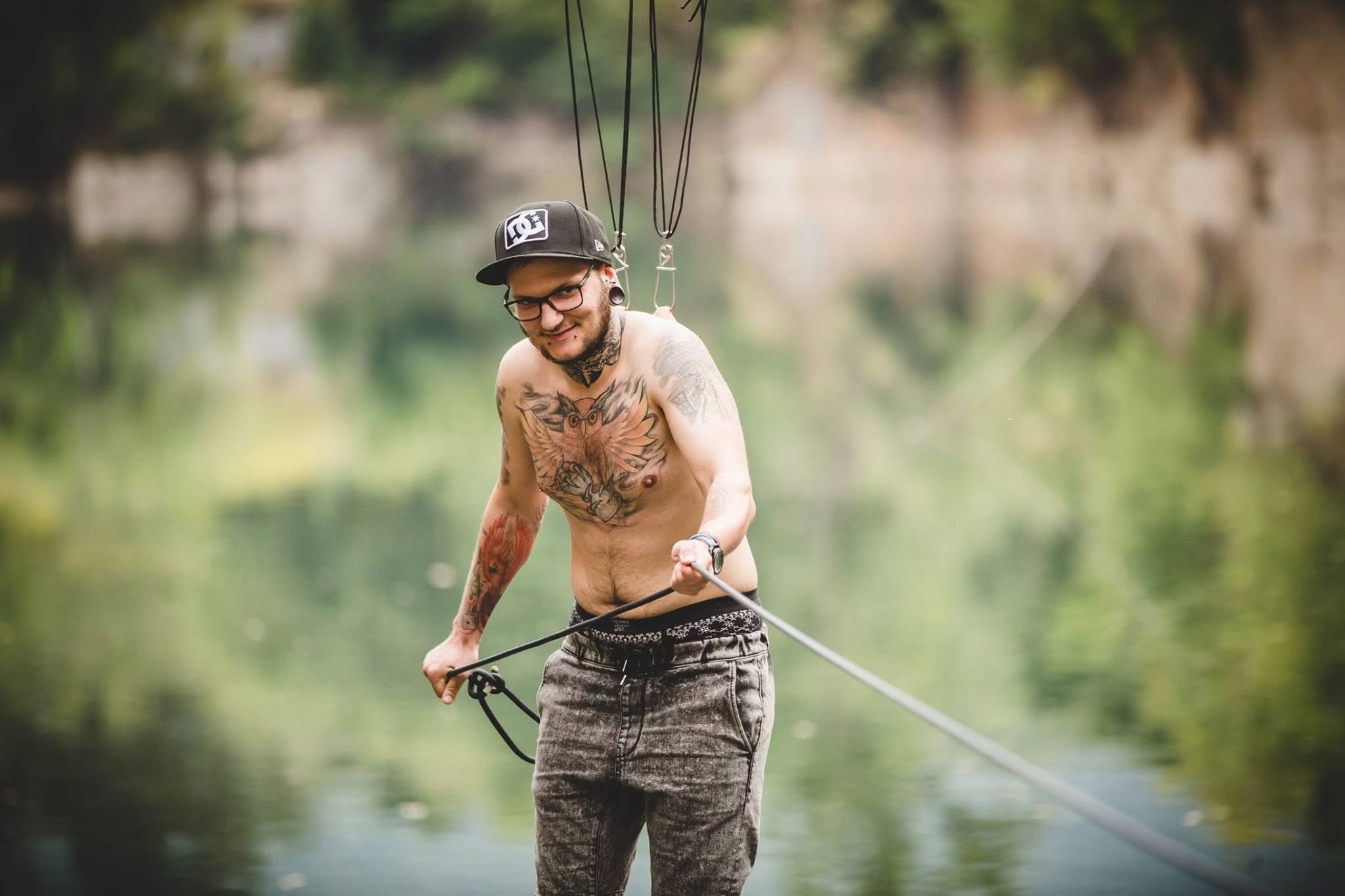
HEALTH
Body suspension and health: risks, infection concerns, tetanus protection and medical help. Questions for organisers and healthcare professionals.
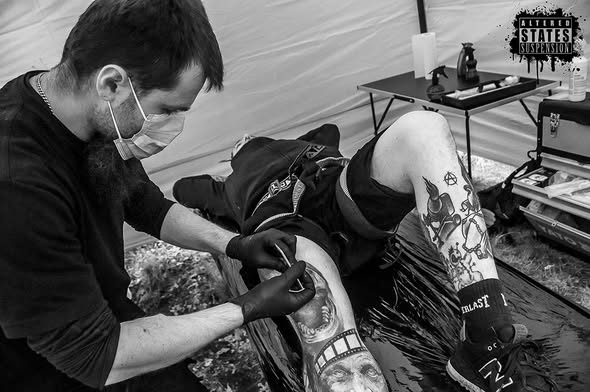
CONSENT
Informed consent in body suspension: participation, touch, stopping, privacy and photography. Specific questions to discuss before a gathering.
EDITORIAL POLICY
This collection is published by a suspension collective. That experience helps us describe the field; it does not replace independent medical or historical expertise. We distinguish research papers, artists’ accounts, institutional collections and our own event archive. Research summaries are original editorial texts, not reproductions of the papers.
The literature search used Polish and English terms including body suspension, flesh hook suspension, hook suspension and podwieszanie ciała. We checked journal metadata against available full texts, and historical dates against contemporary records or artists’ documentation. This is a selected source review, not a systematic review. No independent clinical peer review has been obtained.
We do not turn personal testimony into treatment claims. Differences between sources remain visible. Photographs identify their subjects and historical illustrations are captioned separately. We do not imply that the people shown participated in research. Errors or missing references can be reported to suspension@alteredstates.pl.
Source review: .
Open-access papers, licensed images and original source notes stored with the website.
The 2016 paper explores motives; the 2018 paper examines lived bodily experience. Both use interviews with purposively selected repeat practitioners. These are sociological analyses rather than medical eligibility guidance.
KATARZYNA KOWAL · 2016
Interviews with 30 purposively selected repeat practitioners aged 21–28, using grounded theory. A study of motives, not safety rates. Full PDF from AGH Repository under CC BY 4.0; 33 references reviewed separately.
KATARZYNA KOWAL · 2018
Interviews with 30 repeat practitioners, exploring embodiment and meaning. Full PDF at the publisher; a separate catalogue reviews all 42 bibliography entries.
Meet the people named in the articles and check their sources.